
This article is based on anecdotal evidence, and it’s not to serve as medical advice. The Delta 8 THC products are not to treat or prevent any health conditions or diseases.
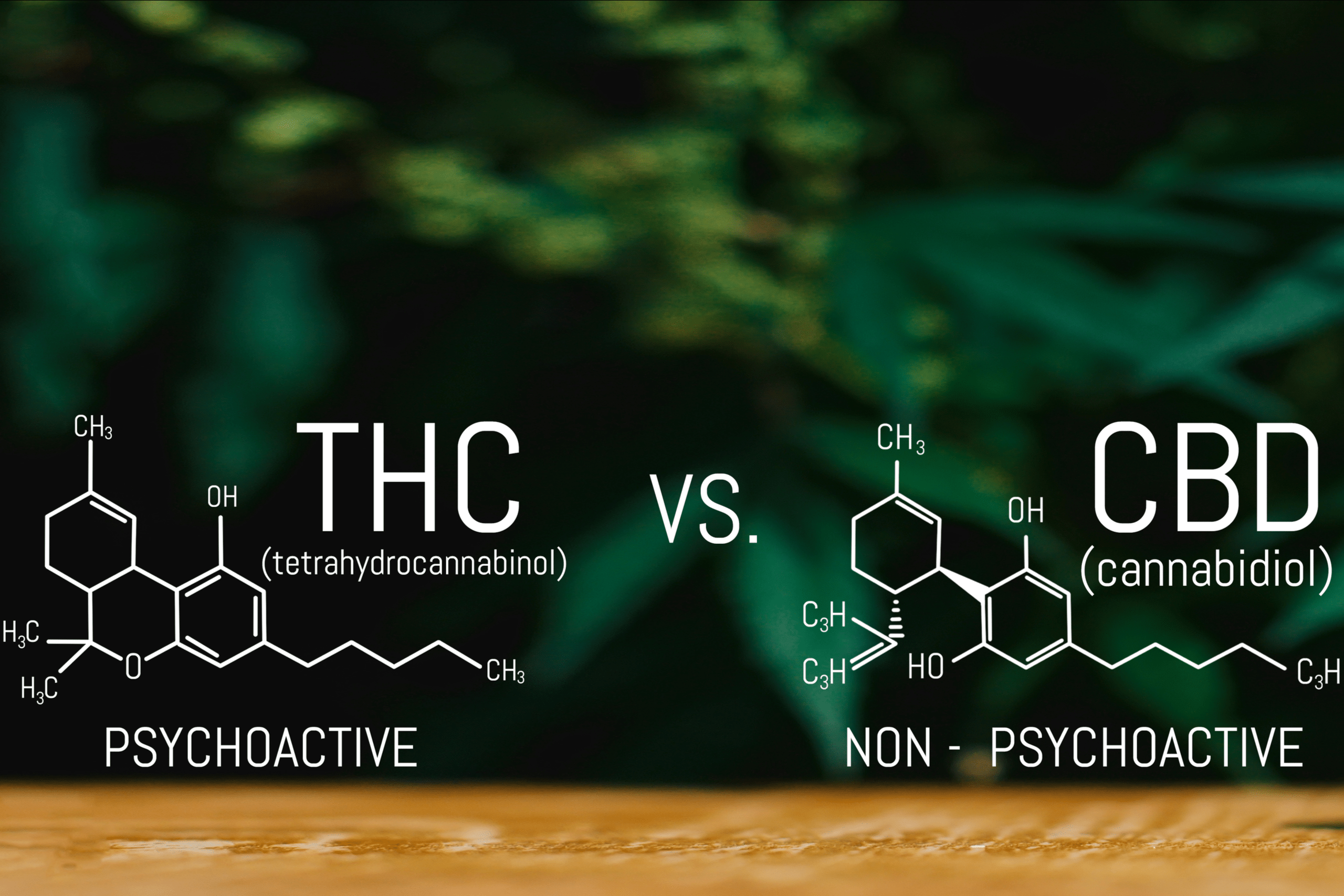
The marijuana plant contains a range of chemical compounds known as cannabinoids. The most well-known is CBD. However, Delta 8 has gained a lot of popularity recently. In this article, we’re exploring the similarities and differences between Delta 8 THC and CBD, helping you decide which is right for you.
What Is Delta 8?
Cannabinoids are naturally occurring chemical compounds found in the cannabis plant. These compounds bind to the body’s receptors and deliver a range of physical, emotional, and mental effects. Delta 8 THC is an isomer of Delta 9, with the only difference being in the double bond position between two carbons. Therefore, Delta 8 THC has neuroprotective properties and carries less psychoactive properties compared to conventional THC.
When consuming Delta 8 products, the cannabinoid receptors in the endocannabinoid system respond to the unique molecular structure of the compound. It gives a soft high without the paranoia and anxiety which typically follow when consuming Delta 9. Delta 8 enthusiasts often report feeling good and euphoric while remaining clear-headed.
What Is CBD?
Along with THC, CBD is one of the most prominent cannabinoids found in cannabis plants. This active compound is responsible for a wide range of benefits. Unlike Delta 9 THC, CBD doesn’t have psychoactive properties. CBD, too, interacts with the cannabinoid receptors in the endocannabinoid system but doesn’t cause mind-altering states. What is more, some consumers take CBD to offset the psychoactive properties of traditional THC.
Legal Status of Delta 8 and CBD
The difference between CBD and delta 8 other products made of industrial hemp that contain less than 0.3% of THC are legal on a federal level. The legality is protected under the Agricultural Improvement Act of 2018. So, Delta 8 is also legal as long as it’s naturally derived from the hemp plant and the products contain less than 0.3% THC. That said, the Agricultural Improvement Act of 2018 doesn’t specifically mention Delta 8, so legally wise, it sits in more of a gray area, which is why certain states have banned or restricted the production and sale of Delta 8 products. Make sure to check if your state allows the use of Delta 8 products before heading on a shopping spree.
Safety of Delta 8 and CBD
Both CBD and Delta 8 THC products are safe to use. Anecdotal evidence reveals that Delta 8 consumers might experience some common side effects: confusion, drowsiness, altered heart rate, low blood pressure, and numbness. On the other hand, the best-known adverse effects associated with CBD include dry mouth, reduced appetite, drowsiness, fatigue, diarrhea, and low blood pressure. Of course, it’s paramount to purchase products from reputed vendors only. Finally, make sure to consult with your physician beforehand and contact them if you experience any of these side effects.
Delta 8 vs. CBD: Benefits
Anecdotal evidence reveals a range of potential health benefits Delta 8 has. However, there’s still a lack of scientific proof, so make sure to consult with a doctor before taking Delta 8 products. Compared to Delta 8, there are more studies on the CBD’s benefits. However, more studies are needed. Below, we’re detailing the potential benefits of both cannabinoids based on anecdotal evidence.
Anxiety Relief
Delta 8 binds to the CBD1 receptors in the endocannabinoid. These receptors are known for regulating anxiety and play a significant role in how the body responds to stressful situations and depression. Delta 8 initiates an anti-anxiety response in the ESC, blocking the manifestation of anxiety effects.
CBD acts on the serotonin brain receptors, acting as a natural antidepressant. So, it can efficiently manage anxiety disorder, social anxiety disorder, and PTSD. In addition to decreasing anxiety symptoms, CBD can boost the ability to perform daily tasks.
Sleep Improvement
Insomnia can negatively affect your ability to think, lower your sex drive, cause mood swings, and increase the risk for health problems. Delta 8 is a popular supplement for managing the sleep cycle. Anecdotal evidence points out that the compound is efficient in promoting a longer sleep cycle but also in improving sleep quality.
Much like Delta 8, CBD is often used for managing insomnia and enhancing the sleep cycle. In addition, CBD is said to affect the release of cortisol, thus acting as a sedative. Usually, consumers take CBD products about half an hour before going to bed to fall asleep easier, increase sleep duration, and enhance sleep quality.
Pain Relief
As with the other cannabinoids, delt a8 is believed to have anti-inflammatory properties. This is one of the reasons why it’s frequently used to manage both acute pain and chronic inflammation. Additionally, it’s also used to treat muscle sores, swellings, and persistent headaches.
CBD contains anti-inflammatory properties and affects the activity of the ESC receptors. This makes it an excellent supplement for treating acute and chronic pains, as well as any inflammatory conditions.
Delta 8 vs. CBD: What Are the Main Differences?

Despite the similarities between the two prominent cannabinoids, there are a few crucial differences, too.
Delta 8 Will Get You High
The first and foremost difference between Delta 8 THC and CBD is that the former will get you high. Delta 8 is a psychoactive compound that elicits mind-altering effects. However, the high is mellow and much softer than that experienced with Delta 9 THC consumption. Generally, consumers report feeling more relaxed and focused but remain clear-headed. Also, anecdotal evidence confirms that there’s no mental fogginess, anxiety, and paranoia afterward.
Delta 8 Will Show Up on a Drug Test
Delta 8 might cause you to test positive for THC on a drug test. This is because it produces the same metabolites as Delta 9 THC. However, many factors are influencing how Delta 8 is broken down in your body. Some of these factors include the method of consumption, the individual’s body chemistry, and duration of use. But regardless, it’s wise to avoid using Delta 8 THC if you have an upcoming drug test.
On the other hand, drug tests don’t detect CBD. However, make sure to read the content of the product you’re using, as it might be contaminated with THC. In that case, you’ll test positive.
Delta 8 Can Stimulate Appetite
Conversely to CBD, which acts to suppress appetite, Delta 8 stimulates it. It’s excellent for those struggling to eat. Delta 8 produces the “munchies” effect, which is best described as a surge in appetite. It’s important to note that Delta 8 produces a more manageable appetite surge than Delta 9, which means you’ll feel in control and easily manage it, so you never overeat.
New users are most concerned about the safety of Delta 8 vapes. The ruling is Delta 8 isn’t a toxic substance, and it’s generally safe to use. Some users have reported experiencing side effects like dry eyes, troubles with focusing, and motor dysfunction impairment. However, if the vape is made with quality ingredients and you use the product within the recommended dosage, it’s unlikely that you’ll experience any adverse effects.
Delta-8 THC & CBD: Which Cannabinoid To Choose?
Delta 8 THC and CBD are both cannabinoids found in cannabis plants. The primary and most crucial difference is that the former contains psychoactive properties, whereas the former doesn’t. Thus, you should go for CBD if you don’t desire the “high” feeling. On the other hand, Delta 8 should be your choice if you want to help manage stress and anxiety, coupled with a mellow high.
Furthermore, both CBD and Delta 8 THC are great for managing insomnia and pains. That said, CBD is said to have longer-lasting effects. Also, it doesn’t elicit sudden effects. On the other hand, Delta 8 extracts immediate brain response, so it’s great if you want fast-acting effects.
Overall, Delta 8 THC lets you enjoy almost all benefits related to CBD, including anxiety management, pain relief, and sleep improvement, along with a mellow high feeling that is absent in CBD.
General Tips When Using Delta 8 or CBD For the First Time
The general rule of thumb when trying Delta 8 THC or CBD for the first time is to start small. Keep the dosage consistent for about a week and monitor how you’ll feel. Then, increase the dose gradually, working towards reaching your sweet spot. When vaping Delta 8 or CBD, you’ll feel the effects kicking in within 15 minutes. On the other hand, CBD or Delta 8 gummies might take up to two hours to take effect.
Can You Mix Delta 8 and CBD?
It’s highly likely to build a tolerance to Delta 8 THC if vaping daily for a prolonged time of three to four weeks. You might feel that you need more CBD and Delta 8 can be a great combination. You can safely mix both cannabinoids. Some avid consumers report that this combination provides an outstanding effect balance and is more likely to deliver the desired results. That said, keep in mind to take it easy, especially if the cannabinoids are new to you.
Delta 8 vs. CBD: Bottom Line
Cannabis is a complex plant. The more you learn about it, the better you’ll be able to harness all positive effects from its chemical compounds. Knowing the difference between Delta 8 THC and CBD is crucial to use the compounds you need to create a functional experience. Moreover, you should remember that cannabis is not a one-size-fits-all. Both Delta 8 and CBD will affect everyone differently. Hence, you need to educate on the differences, similarities, and benefits to make the best possible decision for your enjoyment, health, and everyday life.
Benefits of Combining CBD and Delta-8
As we can see, delta-8 THC and CBD are two cannabinoids that share quite a bit in common, but they both have something different to offer.
It’s no surprise, then, that more and more users are trying out these two cannabinoids together. When combined, CBD and delta-8 create a genuinely compelling duo.
Let’s look at what you might expect from combining CBD with delta-8.
Taking CBD & Delta-8-THC For The Entourage Effect
As you may already know, delta-8 will get the user high, but not on the same level that delta-9 THC will.
And as an isomer of THC, delta-8 interacts with the endocannabinoid system, a series of receptors, cells, and enzymes located throughout the body.
The endocannabinoid system plays a significant role in homeostasis, and it does so by managing functions like sleep, stress, and mood.
This system communicates with itself through cannabinoids made by the body, and it’s theorized that the cannabinoids from cannabis (such as CBD and THC) have a similar effect.
While research is still in progress, there’s still a significant amount of evidence to suggest that delta-8 can help ease discomfort by reducing the inflammatory response.
Discomfort relief is easily one of the biggest reasons people go for delta-8 gummies, and those who’ve tried CBD didn’t feel it was potent enough.
delta-8 can also help encourage relaxation, which is incredibly valuable for countless Americans, especially with mental health issues ever on the rise.
But one CBD is combined with delta-8, and it appears that something interesting happens.
In a theorized phenomenon known as the “entourage effect,” it’s believed that delta-8 and CBD work together to optimize each other’s effects.
For instance, one 2010 group study compared the pain-relieving effects of a THC extract with a THC + CBD extract. In the study, researchers found that THC and CBD provided more pain relief than THC on their own when used in tandem.
CBD has also become a popular product for managing anxiety, and incorporating delta-8 THC may provide a more potent option for those seeking it.
Tips for Optimizing Your Delta-8 and CBD Experience
If you’re looking to optimize your delta-8 and THC experience, consider some things.
First things first: consider why you’re combining CBD and delta-8 THC. Are you using it for preventative reasons because you’ve heard of all the benefits? Is there a specific issue from which you’re seeking relief?
Whatever your reason, understanding your “why” can help you build a routine around your needs and personal goals.
When shopping around, consider the products for sale and the type of CBD they’re made with, any additional cannabinoids or ingredients they might contain, and what formulations you would want to purchase.
For instance, taking a CBD edible with a delta-8 edible will leave you feeling the effects of both simultaneously, but if you enjoy a CBD vape with a delta-8 gummy, you can expect the impact of the CBD to kick in before delta-8’s.
That being said, make sure that the delivery methods you’re using for both delta-8 and CBD mesh together since each product’s delivery method will kick in at its own pace. While a delta-8 edible might peak after an hour, an inhaled product, such as a vape, will take minutes to hit the bloodstream.
It also helps to consider the dosing and scheduling of your delta-8 and CBD. Since there is no standard dose for these products, you’ll find many potencies and strengths from which to choose.
If you’re planning to take the same amount of each cannabinoid, check the product labels for dosage.
And, of course, the golden rule: start low and slow when in doubt. Beginning with a mild dosage will allow you to become acquainted with the effects of CBD and delta-8, and you’ll be able to gradually increase the dosage as needed.
And while neither CBD nor delta-8 is considered toxic or fatal to humans, it’s still important to note that higher doses can trigger unwanted side effects.
To avoid a too intense high, check how much you’re taking of each cannabinoid. If you’re new to CBD and delta 8, start with a smaller serving and work your way up.
Taking CBD & Delta-8-THC Safely
While CBD is not intoxicating, it’s important to note that delta-8 is psychoactive and can create a “high” similar to marijuana, albeit in a milder capacity. With that in mind, use precautions when combining the two cannabinoids.
Before trying any CBD or delta-8 product, it’s always encouraged to discuss it with your doctor first. And when shopping for CBD and Delta-8 products, make sure to opt for something high-quality and created by a reputable brand that practices third-party testing.
Users are also encouraged to ease into delta-8 and CBD by starting with a small dose. Easing into your CBD and delta-8 regimen will help you gauge how CBD and delta-8 affect you and what dosage is best for your own unique needs.
When taking delta-8 and CBD, it’s also recommended to avoid other substances, such as alcohol, as this interaction may intensify your experience. Additionally, it’s good to try CBD and delta-8 during a clear point in your schedule when you don’t need to work, drive, or operate machinery.
How Do I Find the Best Delta-8 and CBD Products?
It’s tough to exaggerate the importance of doing your research when trying a new cannabinoid, but there are also measures you can take to make sure you’re choosing something worth your money.
First, check for lab reports from a third-party lab. These reports should tell you the THC content and whether any harmful chemicals were detected in the product batch, such as mycotoxins, heavy metals, pesticides, or residual solvents.
Additionally, check for reviews from other customers–not only on the company’s website but also from outside sources, especially forums and review sites.
Combining CBD and Delta-8: Final Thoughts
Could CBD and delta-8 be a match made in heaven?
The high created by delta-8 is known for its smooth, mild, and mellow effects that can put the mind (and body) at ease. On the other hand, CBD has swept the nation over the past few years, garnering a reputation for promoting a focused sense of calm.
When taken together, the benefits could get only sweeter. Be sure to follow precautions for taking CBD and delta-8, and make sure to start with small amounts.


